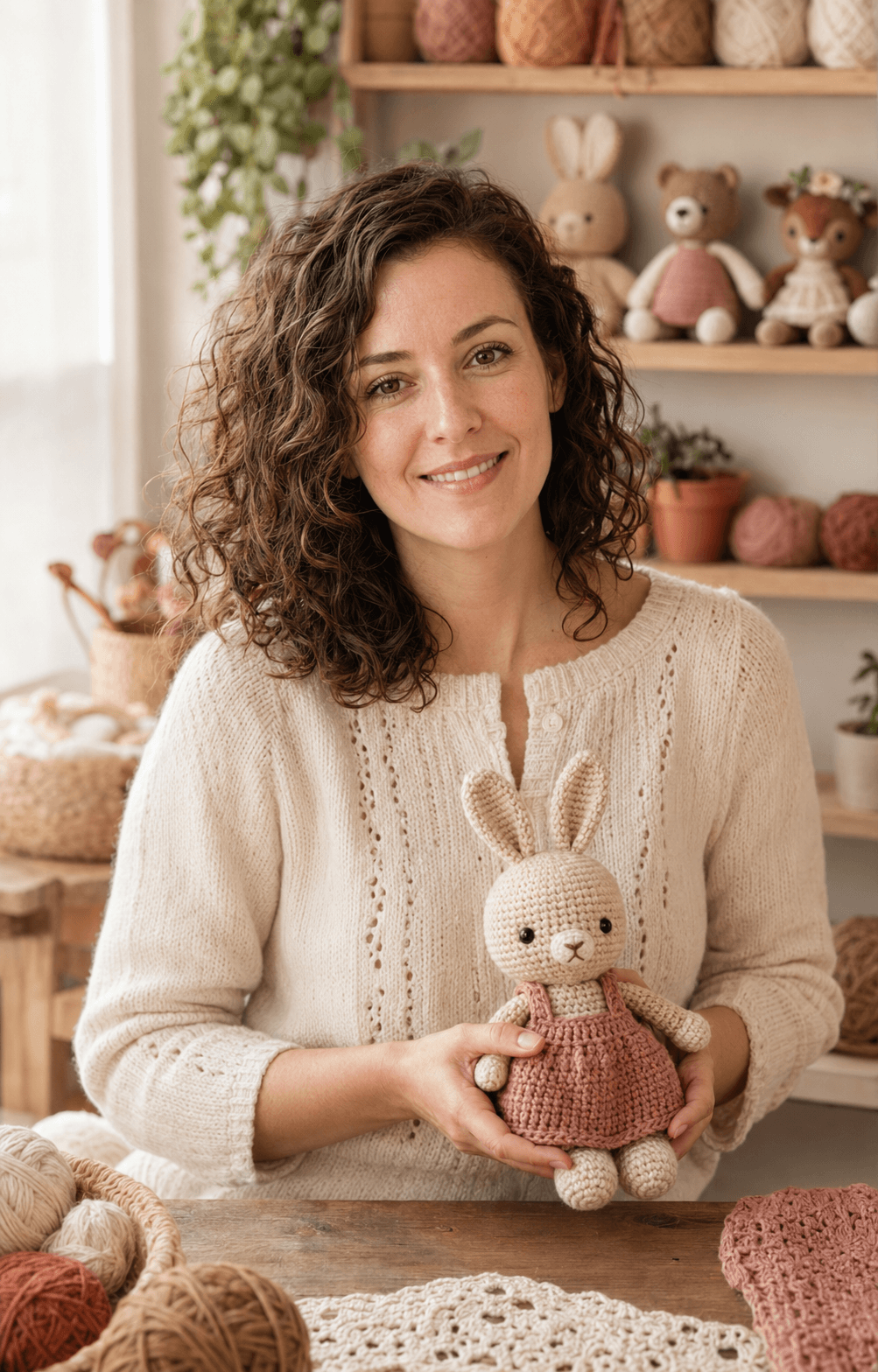
Cute Crochet PDF Patterns

Adorable Amigurumi Patterns for Every Maker

Discover free and premium amigurumi crochet patterns, cute handmade toys, beginner-friendly tutorials, and downloadable PDF pattern ideas.

🐻 Bears🐰 Bunnies🐱 Animals🦄 Fantasy📄 PDF Download
🐻

New Crochet Patterns Weekly

Find cute amigurumi ideas for gifts, nursery decor, toys, and handmade projects.

AdSense Ad Space — add your ad code later from Blogger Layout or AdSense Auto Ads.

Latest Blogs

Crochet Terms Every Beginner Should Know

BEGINNER CROCHET GUIDE

Crochet Terms Every Beginner Should Know

Learning crochet becomes much easier when you understand the most common crochet terms and abbreviations. This beginner-friendly glossary will help you read patterns, follow tutorials, and start crochet projects with more confidence.

Crochet patterns often use short abbreviations instead of full words. At first, these terms can look confusing, but once you learn the basics, patterns become much easier to follow.

In this guide, we’ll go through the most important crochet terms every beginner should know, especially if you want to learn amigurumi, plushies, toys, and beginner-friendly crochet projects.

AdSense Ad Space

1. Basic Crochet Terms

These are the first crochet terms most beginners should learn before starting a project.

  • Yarn: The fiber used to create crochet stitches.
  • Hook: The tool used to pull yarn through loops.
  • Loop: The circle of yarn on your crochet hook.
  • Stitch: A single crochet movement that forms part of the fabric.
  • Row: A horizontal line of stitches worked back and forth.
  • Round: A circular line of stitches, often used in amigurumi.

2. Common Crochet Stitch Abbreviations

Crochet patterns use abbreviations to keep instructions short and easy to read.

  • CH: Chain stitch
  • SL ST: Slip stitch
  • SC: Single crochet
  • HDC: Half double crochet
  • DC: Double crochet
  • TR: Treble crochet

For amigurumi, the most important stitch to learn first is usually SC, or single crochet, because many crochet toys are made mostly with single crochet stitches.

AdSense Ad Space

3. Amigurumi Crochet Terms

Amigurumi patterns use special terms because most crochet toys are worked in rounds and shaped with increases and decreases.

  • MR: Magic ring, used to start a tight crochet circle.
  • INC: Increase, usually two stitches made into the same stitch.
  • DEC: Decrease, used to reduce the number of stitches.
  • INV DEC: Invisible decrease, a cleaner decrease often used in amigurumi.
  • FO: Fasten off, used when finishing a crochet piece.
  • Stuff: Adding fiberfill inside the crochet toy.

These terms are very common in amigurumi patterns, so learning them early will make crochet toy patterns much easier to follow.

4. Pattern Reading Terms

When reading crochet patterns, you will often see symbols, numbers, and repeat instructions.

  • Rnd: Round
  • Rep: Repeat
  • St: Stitch
  • Sts: Stitches
  • Sk: Skip
  • () x6: Repeat the instructions inside the parentheses six times

For example:

Rnd 3: (1 SC, INC) x6 (18)

This means you repeat “1 single crochet, then 1 increase” six times. The final stitch count should be 18 stitches.

5. Crochet Tool Terms

Besides stitch terms, beginners should also know the names of common crochet tools.

  • Stitch marker: A small marker used to track the beginning of rounds.
  • Yarn needle: A large needle used to sew pieces together and weave in ends.
  • Fiberfill: Soft stuffing used inside amigurumi toys.
  • Safety eyes: Plastic eyes used for crochet animals and plushies.
  • Gauge: The size of your stitches compared to a pattern’s measurement.

These tools are especially useful for amigurumi because crochet toys often require stuffing, sewing, shaping, and face details.

AdSense Ad Space

6. Tips for Remembering Crochet Terms

You do not need to memorize every crochet term at once. Start with the most common beginner terms and learn more as you practice.

  • Keep a crochet abbreviation chart nearby
  • Start with beginner-friendly patterns
  • Write notes beside confusing terms
  • Watch video tutorials when a term feels unclear
  • Practice one stitch at a time

The more patterns you follow, the more familiar crochet terminology will become.

Final Thoughts

Understanding basic crochet terms makes patterns easier to read and helps beginners feel more confident while learning.

Start with simple terms like chain, single crochet, round, stitch, increase, decrease, and magic ring. These are the foundation of many beginner crochet and amigurumi projects.

With practice, crochet abbreviations will become second nature, and you’ll be able to follow patterns with much more confidence. 🧶

AdSense Ad Space

Best Top 10 Free Resources to Learn Crochet Online

BEGINNER CROCHET GUIDE

Best Top 10 Free Resources to Learn Crochet Online

Learning crochet online is easier than ever. With free tutorials, beginner guides, video lessons, crochet blogs, and printable patterns, you can start learning crochet from home without spending money.

If you are new to crochet, finding the right learning resources can save you a lot of confusion. Some beginners prefer video tutorials, while others learn better from written guides, photo tutorials, or printable crochet patterns.

In this guide, we’ll explore the best free online resources to learn crochet, especially if you want to start making amigurumi, cute plushies, handmade gifts, and beginner-friendly crochet projects.

AdSense Ad Space

1. YouTube Crochet Tutorials

YouTube is one of the best free places to learn crochet because you can watch every stitch slowly and repeat the tutorial as many times as needed.

For beginners, video tutorials are especially helpful for learning:

  • How to hold yarn and hook
  • How to make a slip knot
  • How to chain
  • How to single crochet
  • How to crochet a magic ring
  • How to make simple amigurumi shapes

Search for beginner-friendly phrases like “crochet for absolute beginners,” “how to crochet a magic ring,” or “easy amigurumi tutorial for beginners.”

2. Crochet Blogs

Crochet blogs are perfect for beginners who like written instructions, step-by-step photos, supply lists, and printable patterns.

Many crochet bloggers publish free tutorials for:

  • Basic crochet stitches
  • Beginner crochet projects
  • Amigurumi patterns
  • Yarn recommendations
  • Crochet tips and mistakes

Blogs are also useful because you can bookmark tutorials and return to them later while working on your project.

AdSense Ad Space

3. Pinterest Crochet Inspiration

Pinterest is a great place to discover crochet ideas, beginner projects, free patterns, and amigurumi inspiration.

It is especially useful when you want to find cute visual ideas before choosing your next project.

Popular beginner searches include:

  • Easy crochet projects for beginners
  • Free amigurumi patterns
  • Beginner crochet plushies
  • No-sew amigurumi patterns
  • Cute crochet animals

4. Free Crochet Pattern Libraries

Online crochet pattern libraries are helpful because they collect many free and paid crochet patterns in one place.

These platforms usually let you search by:

  • Skill level
  • Yarn weight
  • Project type
  • Free patterns
  • Amigurumi and toys

When you are a beginner, start with patterns marked “easy,” “beginner,” or “no-sew.”

5. Crochet Facebook Groups

Crochet Facebook groups can be helpful for beginners because you can ask questions, share progress, and get advice from other crocheters.

These groups are useful when you need help with:

  • Understanding a pattern
  • Fixing crochet mistakes
  • Choosing yarn
  • Finding beginner projects
  • Learning amigurumi tips

When joining groups, always read the rules first and be respectful when asking for help.

AdSense Ad Space

6. Instagram Crochet Creators

Instagram is a great place to follow crochet artists, amigurumi designers, and beginner crochet creators.

Many creators share:

  • Short tutorials
  • Pattern previews
  • Yarn recommendations
  • Behind-the-scenes crochet tips
  • Finished amigurumi inspiration

Instagram is especially useful if you enjoy visual inspiration and want to discover cute crochet trends.

7. TikTok Short Crochet Tutorials

TikTok is helpful for quick crochet tips, short demonstrations, and viral amigurumi project ideas.

It is not always the best place for complete long tutorials, but it is great for discovering:

  • Quick crochet hacks
  • Beginner mistakes
  • Magic ring tips
  • Mini plushie ideas
  • Trending amigurumi projects

Use TikTok for inspiration, then follow a full written or video tutorial when you are ready to make the project.

8. Free PDF Crochet Patterns

Free PDF crochet patterns are useful because you can download them, save them, or print them while crocheting.

PDF patterns are especially helpful for amigurumi because they usually include:

  • Materials list
  • Abbreviations
  • Round-by-round instructions
  • Assembly steps
  • Photos or diagrams

If you are a beginner, choose PDF patterns with clear photos and simple instructions.

AdSense Ad Space

9. Crochet Apps and Stitch Counters

Crochet apps and stitch counters can help beginners stay organized while following patterns.

They can help you:

  • Track rounds
  • Count rows
  • Save pattern notes
  • Organize projects
  • Avoid losing your place

This is especially useful for amigurumi because stitch counts and round numbers are very important.

10. Beginner Crochet Websites Like This One

Beginner crochet websites are helpful because they organize tutorials in a simple way and focus on specific learning topics.

On this blog, you can learn about:

  • What you need before starting crochet
  • Best yarn for amigurumi
  • Beginner crochet mistakes
  • How to read amigurumi patterns
  • How to crochet a magic ring
  • How to stuff amigurumi properly

Following beginner guides step by step helps you build confidence before moving into more advanced crochet projects.

Final Thoughts

There are many free resources online to help you learn crochet, from YouTube tutorials and crochet blogs to Pinterest ideas, free PDF patterns, and crochet communities.

The best way to learn is to combine different resources. Watch videos when you need to see hand movements, read blog posts when you need step-by-step explanations, and save PDF patterns when you are ready to start a project.

Start slowly, practice often, and enjoy learning crochet one stitch at a time. 🧶

AdSense Ad Space

Easiest Amigurumi Projects for Complete Beginners

AMIGURUMI BEGINNER GUIDE

Easiest Amigurumi Projects for Complete Beginners

Starting amigurumi for the first time is much easier when you choose simple projects with basic shapes, minimal sewing, and beginner-friendly stitches.

Amigurumi may look difficult at first, but many cute crochet toys are made from simple shapes like balls, tubes, circles, and small rounded pieces.

If you are a complete beginner, the best amigurumi projects are small, quick, and easy to finish. This helps you practice basic techniques without feeling overwhelmed.

In this guide, we’ll explore the easiest amigurumi projects for beginners and what makes each one a good first crochet toy.

AdSense Ad Space

1. What Makes an Amigurumi Project Beginner-Friendly?

A beginner-friendly amigurumi project should be simple, small, and easy to understand. The best first projects usually use only basic stitches and do not require many separate pieces.

Look for beginner amigurumi patterns with:

  • Simple round shapes
  • Few color changes
  • Minimal sewing
  • Basic stitches like single crochet
  • Clear stitch counts
  • Small project size

If a pattern has too many pieces, complicated shaping, or advanced embroidery, it may be better to save it for later.

2. Mini Crochet Bee

A mini crochet bee is one of the easiest amigurumi projects for beginners because the body is usually a simple oval shape.

This project is great for learning:

  • Magic ring
  • Single crochet
  • Increasing and decreasing
  • Simple color changes
  • Adding tiny wings

A crochet bee is also very cute, quick to finish, and perfect for practicing amigurumi basics.

AdSense Ad Space

3. Simple Amigurumi Ball

A crochet ball is one of the most basic amigurumi shapes. It teaches you how to create a round object using increases, straight rounds, and decreases.

Learning how to crochet a ball helps you understand the foundation of many amigurumi patterns, including heads, bodies, paws, noses, and tails.

  • Perfect for practicing shaping
  • Uses only basic stitches
  • Great for learning stitch counts
  • Helps beginners understand amigurumi structure

4. Tiny Crochet Octopus

A tiny crochet octopus is another excellent beginner amigurumi project. The body is usually a simple round shape, and the tentacles can often be made directly without sewing separate pieces.

This project is fun because it looks cute but remains simple enough for beginners.

  • Round body shape
  • Simple tentacles
  • Minimal sewing
  • Great for colorful yarn
  • Fast to finish

5. Mini Crochet Whale

A mini crochet whale is a beginner-friendly amigurumi project because it uses a rounded body and simple fins.

It is a great project if you want to practice shaping while still keeping the design easy and cute.

  • Simple oval body
  • Small fins
  • Beginner-friendly shape
  • Great for pastel blue yarn
  • Perfect for ocean-themed amigurumi

6. No-Sew Bunny Amigurumi

A no-sew bunny amigurumi is a great beginner project because it reduces one of the most difficult parts of amigurumi: attaching pieces.

No-sew patterns are popular with beginners because they are faster, cleaner, and less frustrating.

  • Less sewing
  • Beginner-friendly construction
  • Cute finished result
  • Great for Easter and gift projects
  • Perfect for soft pastel yarn
AdSense Ad Space

7. Tips for Your First Amigurumi Project

Before starting your first amigurumi project, choose a simple pattern and gather the right supplies.

  • Use light-colored yarn so stitches are easier to see
  • Choose a medium hook size that feels comfortable
  • Use stitch markers to track each round
  • Count stitches after every round
  • Stuff slowly and evenly
  • Start with small projects before trying large plushies

The goal of your first amigurumi project is not perfection. The goal is to learn the basics and finish something cute.

Final Thoughts

The easiest amigurumi projects for complete beginners are small, simple, and made with basic shapes. Mini bees, crochet balls, tiny octopuses, whales, and no-sew bunnies are all great first projects.

Start with one simple pattern, practice slowly, and do not worry if your first project is not perfect. Every stitch helps you improve.

With patience and practice, you’ll soon feel confident enough to make more detailed amigurumi animals, dolls, and plushies. 🧶

AdSense Ad Space

How to Stuff Amigurumi Properly

AMIGURUMI BEGINNER GUIDE

How to Stuff Amigurumi Properly

Stuffing amigurumi properly is one of the most important steps for making crochet toys look smooth, firm, and professional. The right stuffing technique can completely change the shape and quality of your finished plushie.

Many beginner crocheters focus on stitches and patterns but forget that stuffing is just as important. Too little stuffing can make your amigurumi look flat and wrinkled, while too much stuffing can stretch the stitches and make the toy look uneven.

In this beginner-friendly guide, you’ll learn how to stuff amigurumi properly, how much stuffing to use, and how to avoid common stuffing mistakes.

AdSense Ad Space

1. Why Stuffing Matters in Amigurumi

Stuffing gives your amigurumi its final shape. Even if your stitches are neat, poor stuffing can make the finished toy look uneven, lumpy, or floppy.

Proper stuffing helps your crochet plushie:

  • Hold its shape better
  • Look smooth and rounded
  • Stand or sit properly
  • Feel soft but firm
  • Look more professional in photos

2. Best Stuffing for Amigurumi

The most common stuffing used for amigurumi is polyester fiberfill. It is soft, lightweight, affordable, and easy to find.

Polyester fiberfill works well for most crochet toys, plushies, dolls, and amigurumi animals.

  • Soft polyester fiberfill
  • Hypoallergenic stuffing
  • Recycled polyester stuffing
  • Small yarn scraps for tiny areas

Avoid using heavy or hard materials inside soft amigurumi unless the pattern specifically requires weighted stuffing.

AdSense Ad Space

3. How Much Stuffing Should You Use?

The best amigurumi stuffing should feel firm but not hard. Your crochet piece should hold its shape without stretching the stitches too much.

A good rule is to add stuffing slowly in small amounts instead of pushing in one large clump.

  • Too little stuffing makes the toy flat
  • Too much stuffing stretches the stitches
  • Small amounts create smoother shaping
  • Firm stuffing helps amigurumi keep its form

For heads and bodies, use enough stuffing so the shape feels full and rounded. For arms, legs, tails, and ears, use less stuffing so the pieces stay flexible.

4. Step-by-Step Stuffing Method

Stuffing amigurumi is easier when you work slowly and shape the piece as you go.

Step 1: Pull Apart the Stuffing

Before inserting stuffing, pull it apart into small fluffy pieces. This prevents hard lumps inside the toy.

Step 2: Add Small Amounts at a Time

Place small pieces of stuffing inside the amigurumi gradually. Avoid pushing one large ball of stuffing into the piece.

Step 3: Push Stuffing Into Edges

Use the back of your crochet hook, a chopstick, or a stuffing tool to gently push stuffing into corners, curves, and small areas.

Step 4: Shape With Your Hands

After adding stuffing, gently roll and squeeze the amigurumi with your hands to smooth out the shape.

Step 5: Add Final Stuffing Before Closing

Before closing the final rounds, check if the piece needs more stuffing. Add a little extra if the shape feels soft or hollow.

5. How to Shape Amigurumi While Stuffing

Shaping is an important part of stuffing. Different parts of your amigurumi need different amounts of firmness.

  • Heads: Stuff firmly so the face holds its shape.
  • Bodies: Stuff firmly but keep the bottom stable.
  • Arms and legs: Stuff lightly so they remain flexible.
  • Ears and tails: Use very little stuffing or none at all.
  • Large plushies: Add stuffing evenly to avoid dents.

Always shape the piece with your hands as you stuff. This helps avoid lumps and gives the finished amigurumi a smooth, rounded look.

6. Common Stuffing Mistakes

Stuffing mistakes are common for beginners, but they are easy to fix once you know what to look for.

  • Using large clumps: Pull stuffing apart before inserting it.
  • Under-stuffing: Add more stuffing until the piece holds its shape.
  • Over-stuffing: Remove some stuffing if stitches stretch too much.
  • Ignoring corners: Push stuffing into edges and small areas.
  • Closing too early: Check firmness before finishing the last round.

Final Thoughts

Stuffing amigurumi properly takes patience, but it makes a big difference in the final result. Smooth, even stuffing helps your crochet toys look clean, firm, and professional.

Remember to add stuffing slowly, shape the piece with your hands, and check the firmness before closing each part.

With practice, you’ll learn exactly how much stuffing each amigurumi piece needs. 🧶

AdSense Ad Space

How to Crochet a Magic Ring for Beginners

BEGINNER CROCHET GUIDE

How to Crochet a Magic Ring for Beginners

The magic ring is one of the most useful crochet techniques for amigurumi. It helps you start crochet circles with a tight, clean center, which is perfect for making plushies, toys, animals, and round crochet shapes.

If you are new to crochet, the magic ring may feel confusing at first. Many beginners struggle with holding the yarn, pulling the loop closed, or keeping the first stitches neat.

The good news is that the magic ring becomes much easier with practice. In this step-by-step beginner guide, you’ll learn what a magic ring is, why it is used in amigurumi, and how to crochet one correctly.

AdSense Ad Space

1. What Is a Magic Ring?

A magic ring, also called a magic circle or adjustable ring, is a crochet technique used to start projects worked in the round.

Instead of leaving a hole in the center, the magic ring allows you to pull the starting loop closed tightly. This creates a clean and professional center, especially for amigurumi pieces like heads, bodies, ears, arms, legs, and round shapes.

  • Creates a tight center
  • Perfect for amigurumi crochet
  • Works well for circles and spheres
  • Looks cleaner than a chain ring start

2. Why Amigurumi Patterns Use a Magic Ring

Amigurumi patterns usually begin with small round shapes. A magic ring is useful because it prevents stuffing from showing through the center of the first round.

For crochet toys, this is important because a clean center makes the finished plushie look neater and more polished.

Many amigurumi patterns begin with instructions like:

Round 1: 6 SC in MR (6)

This means you make 6 single crochet stitches into the magic ring.

AdSense Ad Space

3. What You Need

You only need a few basic supplies to practice the magic ring.

  • Light-colored yarn
  • Medium-sized crochet hook
  • Scissors
  • Stitch marker
  • Yarn needle

For beginners, light-colored yarn is best because it makes the stitches easier to see. Avoid black or very dark yarn while learning this technique.

4. Step-by-Step Magic Ring Tutorial

Follow these simple steps slowly. The first few attempts may feel awkward, but the technique becomes easier with repetition.

Step 1: Make a Loop

Wrap the yarn around your fingers to create a loop. The yarn tail should be short, and the working yarn should stay connected to the yarn ball.

Step 2: Insert the Hook

Insert your crochet hook under the loop and pull the working yarn through the center.

Step 3: Chain One

Make one chain stitch to secure the loop. This helps hold the magic ring together before you begin crocheting into it.

Step 4: Crochet Into the Ring

Work your stitches directly into the center of the ring. Most amigurumi patterns begin with 6 single crochet stitches.

Example: 6 SC in MR

Step 5: Pull the Ring Closed

Gently pull the yarn tail to close the center of the ring. Keep pulling until the hole disappears.

Step 6: Continue the Next Round

Place a stitch marker in the first stitch and continue crocheting the next round according to your pattern.

5. Common Magic Ring Mistakes

Many beginners struggle with the magic ring at first. These are the most common problems and how to fix them.

  • The ring will not close: Make sure you are pulling the yarn tail, not the working yarn.
  • The stitches are too loose: Keep gentle tension while crocheting into the ring.
  • The loop falls apart: Chain one after pulling up the loop to secure it.
  • The center has a hole: Pull the tail tighter after finishing the first round.
  • Stitches are hard to see: Practice with light-colored yarn.

6. Magic Ring Alternative for Beginners

If the magic ring feels too difficult at first, you can use a simple chain method instead.

Chain 2, then crochet 6 single crochet stitches into the second chain from the hook.

This method is easier for some beginners, but it may leave a small hole in the center. Once you feel more comfortable, practice the magic ring again for a cleaner amigurumi finish.

Final Thoughts

The magic ring is one of the most important techniques for beginner amigurumi crocheters. It creates a neat, tight center and gives crochet toys a clean handmade finish.

It may feel difficult at first, but with a little practice, the magic ring will become one of the easiest and most useful crochet techniques in your amigurumi projects.

Take your time, practice slowly, and enjoy learning one stitch at a time. 🧶

AdSense Ad Space

Best Crochet Hooks for Beginners

BEGINNER CROCHET GUIDE

Best Crochet Hooks for Beginners

Choosing the right crochet hook can make learning crochet much easier, smoother, and more enjoyable. The best crochet hooks for beginners are comfortable to hold, easy to control, and work well with beginner-friendly yarn.

Use a cozy Pinterest-style image with crochet hooks, pastel yarn, and a beginner crochet setup.

Many beginners feel overwhelmed by the huge number of crochet hooks available today. Crochet hooks come in different sizes, shapes, materials, and handle styles, and choosing the wrong one can make crochet more difficult than it needs to be.

In this beginner-friendly guide, we’ll explain the best crochet hooks for beginners, how hook sizes work, and which types of hooks are easiest to learn with.

AdSense Ad Space

1. Best Crochet Hook Size for Beginners

Most crochet experts recommend starting with a 5mm (H/8) crochet hook because it works well with beginner-friendly worsted weight yarn and makes stitches easier to see. :contentReference[oaicite:0]{index=0}

Medium-sized hooks are easier to control and help beginners learn basic crochet stitches without struggling with tiny stitches or overly thick yarn.

  • 5mm hooks are beginner-friendly
  • Medium hooks make stitches easier to see
  • Worsted weight yarn pairs perfectly with 5mm hooks
  • Larger hooks feel easier to handle while learning

Use a clean image showing multiple crochet hook sizes with the 5mm hook highlighted.

2. Different Crochet Hook Materials

Crochet hooks are available in several materials, including aluminum, plastic, bamboo, wood, and steel. Aluminum hooks are often considered the best option for beginners because yarn glides smoothly across the surface. :contentReference[oaicite:1]{index=1}

  • Aluminum hooks are smooth and beginner-friendly
  • Plastic hooks are lightweight and affordable
  • Bamboo hooks provide extra grip for slippery yarn
  • Steel hooks are used for tiny lace projects

Many beginners prefer aluminum hooks because they are affordable, lightweight, and easy to use with most yarn types.

Use a side-by-side image showing aluminum, bamboo, plastic, and ergonomic crochet hooks.

AdSense Ad Space

3. Are Ergonomic Crochet Hooks Worth It?

Ergonomic crochet hooks have soft-grip handles designed to reduce hand strain and improve comfort during long crochet sessions. Many crocheters find ergonomic hooks especially helpful for reducing wrist pain and fatigue. :contentReference[oaicite:2]{index=2}

While beginners can absolutely learn with basic hooks, ergonomic handles can make crochet more comfortable and enjoyable.

  • Soft handles reduce hand fatigue
  • Comfortable grip improves control
  • Helpful for longer crochet sessions
  • Popular among amigurumi crocheters

Use a cozy close-up image of ergonomic crochet hooks with pastel yarn.

4. Inline vs Tapered Crochet Hooks

Crochet hooks generally come in two main styles: inline hooks and tapered hooks.

Inline hooks have a flatter and more angular design, while tapered hooks have a smoother rounded shape. Many beginners find tapered hooks easier to use because the yarn glides more smoothly. :contentReference[oaicite:3]{index=3}

  • Inline hooks create more defined stitches
  • Tapered hooks feel smoother for beginners
  • Both styles work well for crochet
  • Personal preference matters most

Use a comparison image showing inline and tapered crochet hook styles.

5. Popular Beginner Crochet Hook Recommendations

Some crochet hook brands are especially popular among beginner crocheters because of their comfort and smooth performance.

  • Clover Amour
  • Tulip Etimo
  • Susan Bates Silvalume
  • Boye Aluminum Hooks
  • Prym Ergonomic Hooks

Clover Amour hooks are frequently recommended by crocheters because of their smooth aluminum tips and comfortable ergonomic handles. :contentReference[oaicite:4]{index=4}

Use a clean aesthetic image showing popular crochet hook brands arranged neatly.

6. Tips for Choosing Your First Crochet Hook

When choosing your first crochet hook, focus on comfort and simplicity instead of buying expensive specialty tools immediately.

  • Start with one 5mm aluminum hook
  • Use light-colored yarn while learning
  • Try ergonomic handles if your hands feel tired
  • Practice basic stitches before buying many hooks
  • Experiment with different styles over time

The most important thing is finding a hook that feels comfortable in your hand and helps you enjoy the crochet learning process.

Use a beginner crochet setup with one hook, yarn, and a simple crochet swatch.

Final Thoughts

The best crochet hook for beginners is usually a smooth aluminum 5mm hook paired with beginner-friendly yarn. Comfortable hooks make learning easier, help reduce frustration, and improve crochet consistency. :contentReference[oaicite:5]{index=5}

As your crochet skills improve, you’ll naturally discover which hook styles and materials feel best for your personal crochet style.

Most importantly, enjoy the process and have fun learning crochet one stitch at a time. 🧶

AdSense Ad Space